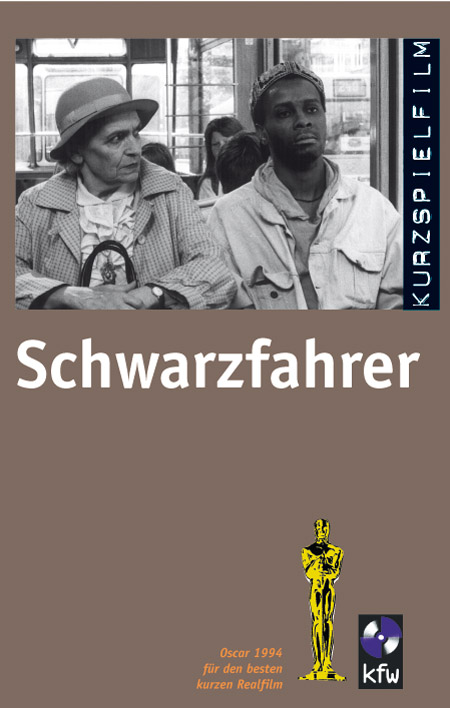
The codes and conventions of short films are what make up the basis of short films throughout the world. The basic structure of a short film is quintessential for a short film to be a success. Even the short film we have witnessed within the lesson have followed the same codes and conventions as each other, Which means we as a group need to follow these codes and conventions to gain the best possible grade.
The codes and conventions of trailers are similar, but do differ in some areas. The main point of the trailer is to alert audiences of the film’s release, to gain as much popularity from audience as possible. Trailers wouldn’t normally be used for short films, simply because most short films are too short, and the trailer may reveal too much of the storyline.
On average, shorts films are between 2 minutes and 45 minutes. This is to include a long enough time period to include a relatively good storyline. Short films can be longer or shorter or longer than the average amount, but to keep interest in the audience for long enough, the films are usually between the 3 – 10 minute mark.
Trailers are a lot shorter. Due to the nature of a trailer, simply alerting audiences of the genre and release date, trailers are normally between 10 – 60 seconds. To prevent too much being revealed in terms of plot, actors and director are the only mention of what’s within the film. This attracts audiences rather well as good actors will normally invite audiences to watch the film, where as bad actors repel audiences.
Financing for both the short film and the trailer comes from different sources. Short films are usually a directors 1st major step in the world of cinema, so the director finances his films from their own pocket, to which he/she eventually gains institutional backing. Trailers are different, because they are usually a part of a film made and financed in Hollywood. Because of this, the financing of the trailer will be from Hollywood, so that the institution backing the production and the director can gain as big a profit as possible.
As well as this, short films quality is also affected. The number of cameras used is usually less than in a Hollywood film, the music is also found in sources where either the music is free or cheaply put together. Even the actors are found from unknown sources, usually found out to be friends of the director (to save money), whereas in a trailer, the music used is normally the soundtrack of the entire film, and the actors are well known throughout the world. Overall, these codes and conventions will be followed whilst our film is in production, as financing for it shall come from our own pockets, as well as props and characters for the short film. A trailer won’t be used for advertisement because even though the film is 5 minutes long, we feel that the trailer may reveal too much of the storyline to the audience.
Though our final idea is not yet completed, it is very nearly there and we have many specific visions for our film in place. An extremely important part of any film is iconography. It subtly tells the audience how to feel about a particular character or place, and can also show what a character’s quirks are and what they may really me thinking on the inside.
One important piece of iconography in our short film will be the plug socket, which will be our very first shot. The first shot of any film can be vitally important, and we wanted ours to create instant enigmas for the audience and make them pay attention from the word go. When seeing a plug socket, people will instantly think of electricity and perhaps electrocution. There will most likely be no sound used during this shot and the pan that will follow, making the audience feel on edge and wonder whether the plug socket has not been used safely and perhaps fatally.
The shot of the plug socket will then drift to the wire connected to it, and through the use of steadycam, the camera will follow the wire until the audience is able to see a radio in the bath and a man’s leg on display. The audience should then assume correctly that the man is not and has been killed by electrocuting himself with the radio in the bath. Two very important pieces of iconography will be used and highlighted here - the radio and the bath itself.
The radio is a very important piece of iconography as it is the cause of death for the person, and will stay in the minds of the audience throughout the short film. It is one of two controlling ideas, and is an important image. Our group has agreed that the radio needs to have a ‘used’ look, as if the character is a fan of radio and prefers its old-time feel to new technology like IPods. This will also become clear as the radio will need the use of a plug, which shows that the radio is slightly old, as new ones are able to go into water.
The other controlling idea in our short film is the bath tub. This is the scene of the death and is another image that will stay in the minds of viewers throughout the film. We have decided that the bath, and the bathroom itself will very clinical, hopefully white with a very bare look to it. This will hopefully give the room a new-look feel, or perhaps show that a particular character is very clean and prefers everything tidy and in place. The look of the bath will hopefully create enigmas for the audience and make them wonder why the room has such a purgatory look.
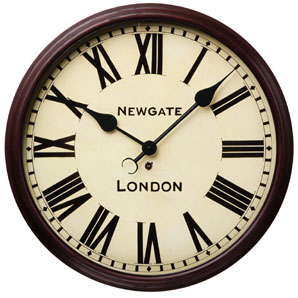
Another important piece of iconography to be used in our film is the clock in the patient’s home. Our group came up with an idea that throughout the film, when the clock is in view it will tick backwards. Obviously, this will create enigmas for the audience, but we liked the idea that it shows the patient’s psyche and how fragile he is on the inside. The clock shows his mind steadily ticking away, without the knowledge of anyone else, and how much time he has before he completely cracks. We as a group think this could be a very startling image and one of the defining shots of our short film, the kind of image that people will remember and recognise the film by.
A slightly less important piece of iconography that we will use is a razor. Though this will only be visible for brief moments in our film, we feel it gives a small insight into the mind of our protagonist. This will not be a conventional razor, but rather one similar to the one used in ‘Sweeney Todd: The Demon Barber Of Fleet Street’ (Dir. Tim Burton, 2007). Because the razor will be vastly unusual to generic razors used and often seen in thriller films, we believe this will put the audience on edge. It will also give a brief view into the mind of the patient, and shows that he does not like generic, normal items and likes to be over-the-top and have significance in his life. He despises being like everyone else and deep down likes going to a psychiatrist as it shows he is not conventionally ‘normal’. This will further show his frustration of finding out he does have problems and that no progress is being made in therapy, leading to his ‘act’.
Overall, iconography is going to be a very important part of our film and something that we must make sure we get right. If the correct iconography is used fittingly, then our film will have the precise look and feel and hopefully we will get the desired reaction from the audience that we are hoping for.
Once the crucial ideas for our short production were laid out on the table, the group began to consider suitable Iconography, setting, location and sound for the psychological/thriller. Bestowed with the role of sound, I shall base this post purely on the sound I fundamentally envision, in a way that entwines successfully with the cinematic frameworks of mise-en-scene, cinematography and editing. Although some of the diegetic and non diegetic sounds I shall post may contain featured works of renowned artists, I cannot stress enough that we do not plan to use these extracts, moreover, I would like to state that they are merely an illustration of what we plan to use.
Before I delve straight into the realms of sound within our short, I feel it is paramount to consider the protagonist at hand. In any film, from the blockbusters to the independent shorts, it seems essential to base and mould all sound around their disposition. Otherwise, the other factions of cinema clash (unless the sound is contrapuntal). As the short primarily starts, we plan on using an establishing shot of a perished figure lying in a bath. Here such ghastly horror will be layered with perhaps the non-diegetic sound of a distorted radio, unremorsefully buzzing away through layers of static, while a solitary radio DJ or News/Traffic Reporter mummers in and out of speech. Alongside this, we may toy with the alternate tangent of absolute silence as the camera gingerly pans over the wire. Both create a sense of atmospheric allure, something which instantaneously arises questioning/enigmas.
Following this scene, the audience are finally acquainted with the protagonist, a mystifying figure shaving in front of a mirror. Here, I feel the audience need to embrace this character as quickly as possible, as his role is paramount to the success of our short. Therefore, any diegetic music would disturb such relationship. Therefore, the audience should be left with an uncomfortable looming silence of the razor gliding across the protagonists face.
Despite the fact that the school cameras are notoriously well known for not detecting diegetic sound, we have been forced through our plotline to offer some form of dialogue to the table. Here, the conversation will be shared hopefully through a cross-cutting shot involving a psychiatrist and the protagonist. Considering that one man is a trained master of his occupation, while the protagonist is a somewhat profound, frenetic, tortured soul, the dialogue should therefore be somewhat philosophical, abstract and at times heated. In terms of non-diegetic sound, the melodies which are featured throughout the panning shot sequence of the countryside should anchor the undisclosed thoughts that lie within our protagonist psyche, a melodic rhythm or vibe which conveys both a positive and negative form of diction throughout. A song or instrumental deep cut which resembles the sound I would like to capture is that of “Treefingers” by Radiohead or "Straumnes", composed by Icelandic band Sigur Ros . Something resembling this could double up and blend with the mise-en-scene of our protagonist, somebody whom on the outside is screaming for acceptance, while almost everything internal is pulling them away from the mainstream light, coincidentally, everything Radiohead stand for as a band.
Most recently the group have been devising ways of connoting that the protagonist is cracking somehow by the pressures of life. So far, we have conjured up the plan of a clock, ticking in an anti-clockwise fashion. Symbolically this could represent sparse time, impending doom etc. However, opposed to diegetic sound, we want to progressively build this sound, along with other household appliances, perhaps a kettle etc to mirror the building and relentless pressures of life. The reason we have chose non-diegetic over diegetic is simply due to the fact that the sound will be easier to progressively rise through Pinnacle Editing.
Towards the films heated conclusion, we could once again follow variable tangents. The simple use of silence could mimic the solitary, dismal, and lonely life of a misunderstood killer. On the other hand, we could follow the alternate route of the non-diegetic sound of the distorted radio (used in establishing shot) while the protagonist performs his devious misdemeanour. Here the sound will instantaneously cut out-to convey the victim inside the bath has perished, thereby symbolising the end of the film. Finally, we could gradually build the non-diegetic sound, to an almost tribal, animalistic point of murder. Once the deed is done, the non-diegetic sound could rise above the cusp and return back to soothed yet menacing “Treefingers” instrumental, to portray that while the storm has died down, there will always be some lurking pain within the protagonists' life.
Here are some primitive ideas for sound. Some may not exactly work within specific scenes, a common dilemma within the world of shooting and editing. However, I feel that this post at least serves as a starting point within the cinematic framework of Sound. It should therefore be interesting to compare once the editing is complete to see if the sound resembles this post in any particular way.
This is the shooting schedule in which our group will follow for the filming of our 5 minute short film. The idea of this is that we not only have enough time to film, but we also have enough time to edit the film, and we would prefer to edit each section as we film it, so that we really only need to piece it together once it has finished. This is why the chosen dates have been decided by the group to meet these objectives and keep us up to date with not only the film, but the blog also.
The location was chosen to be at a member of our group's house (James Moss) because his house met a lot of the criteria needed for our short film. As well as this, he lives in the local Shenfield area, so his house was easily accessible to the group during school hours, and even after school. This makes it alot easier to get more work done because when we all have free periods and a media lesson, we can plan our time and spend little time getting to location and lots of time filming.
We chose our main actors to be Dave Huxford and George Austin because they best suited the role they will playing. David (myself) looked the most average person in the group. we don't want somebody that has any over exuberant features (such as long hair) to give the audience prejudged impressions of our main character. George (playing the psychiatrist) is the person we ideally wanted for this role because of his stubble and sophisticated nature. no other characters will be used in this film, so we want the actors we will use to be the best suited for the role, and we as a group feel we have done this.
Finally, the time in which these shot need to be done have been chosen to not only meet with everyones free time, but also keep up with other lessons on the timetabled day. To do this, we needed to sit down and look into the future at our timetables to get the best possible times to film. Some sacrifices needed to be made, such as certain lessons had to be missed, but we all gained permission from teachers to leave.
If we as a group follow this shooting schedule closely, then we have a chance to get alot of media work done, and at the same time have time to get work from other lessons done. We all have agreed with the planned events, and will get the editing done straight afterwards to prevent a backlash of events occurring in terms of too much work building up. But if we can't follow this plan precisely, we will need to re-plan for a date that is close to the original date, so it doesn't ruin everything.
Looking at the top 100 thriller films on IMDb, I have picked out the top 10 films which could be classified as Psychological or Mystery Thrillers:
Inception (2010) - Rated 12 The Dark Knight (2008) - Rated 12 Fight Club (1999) - Rated 18 Rear Window (1954) - Rated PG
Psycho (1960) - Rated 15 The Usual Suspects (1995) - Rated 18 The Silence of the Lambs (1991) - Rated 18 Se7en (1995) - Rated 18 Memento (2000) - Rated 15 The Shining (1980) - Rated 15
When assessing the codes and conventions of a mystery/ psychological Thriller, the renowned sample films above share specific correlations of which we plan to incorporate within our five minute production. Ranging from the sixties all the way to 2010, the directors who create these films tend not to produce their own society, while rather reflecting upon the ever-changing world through people, places and events. When evaluating the films above, the most prominent codes and conventions concern their attention to detail within the theme of degeneration, whether this concerns a protagonists psyche, society or establishment. Such examples would include Se7en, where the constant raining (mise-en-scene) and low –key lighting (cinematography) presents a world which has lost its way. Films such as Fight Club or The Shining moreover anchor how a mind can degenerate and collapse when pressed and pulled by the pressures of life, to the extent where you can lose your mind, causing severe harm to those around you, and society as a whole.
This overall bleakness and almost jaded perception upon life is anchored by the typical codes and conventions of the mystery/psychological Thriller’s Mise-En-Scene. Hitchcock being the most dated director on the list, he uses this cinematic framework, particularly in Psycho and Rear Window to hold a subconscious iron-tight grip over the audience, a stranglehold conjuring up a world of fear and relentless madness. However, as our thriller hybrid shall be sparse in its duration, we will have to consider how we can entwine such codes and conventions in a way which anchors the genre, in a restricted amount of time. In terms of Cinematography, the typical codes and conventions of the genre would consist of close-ups, long shots and Ariel shots. This is anchored through films such as Stanley Kubrick’s “The Shining”. Like our film, this 1980’s classic centres around Jack Torrance’s mental degenerate in the Overlook Hotel, therefore Kubrick samples a series of Long/Ariel shots, to anchor his isolation, and close-ups to highlight his insanity. In terms of camera movement, we have followed “The Shining’s” codes and conventions of the dolly shot, as it almost conveys the notion that the delusional lead protagonist is furtively stalking his victim.
An interesting, almost perverted code and convention featured in Rear Window and the vast majority of psychological mystery thrillers concerns the point of view shot. Here the audience are almost welcomed into the protagonists psyche, and get to see life through their eyes. In this sense, this shot may be most true to the genre, as it involves the mind, and how people function. In terms of Sound, the codes and conventions of the films above tend to stay true to their protagonists, and therefore revolve around dialogue heavy scripts to reinforce and anchor the leading figures psyche. This cinematic framework however seems to break codes and conventions depending on the film. For example, films such as Christopher Nolan’s “The Dark Knight” and “Inception” incorporate bold, mainstream and dynamic soundtracks, while “Se7en”, “Memento” and “Rear Window” delve into the realms of silence to voice their protagonist’s sour opinions upon the world and those that inhabit it.
It fundamentally appears that despite sound has no restricted code and convention in the thriller genre, it still has to serve the purpose of conveying the protagonists feelings and perception upon life, which I guess in a certain sense means that the thriller has a specific sound code and convention.
Overall, I would suggest from this research that the codes and conventions of the Thriller genre are very loosely woven together. All the films above are unique in their own special way, which rises the question what makes them a Thriller? It is when the director entwines sound, mise-en-scene and cinematography in a way that presents a slightly distorted abnormal world through another figures eyes where we see the genre taking shape. It is this individual take upon the genre that makes the psychological/mystery Thriller stand out for me, which the group will hopefully exploit to make a short 5 minute sequence that is like no other.
The Black Hole is a 2.5 minute short film which I found on YouTube. Though it is much shorter than the film which we are required to produce, I thought it was extremely memorable and shows how effective a short film based on a single controlling idea can be. Therefore, I have decided to analyse it for the benefit of our group.
The film begins with a shot panning across an empty office to the face of a bored, sleep-deprived office worker at a photocopier machine. The mise-en-scene of the office is reminiscent of the film Fight Club (2001, David Fincher), in that although is a bog-standard office, the colours are very bleak and dark - a Fincher trademark.
The camera settles on a close up of an office worker. His Non-Verbal Communication shows that he is extremely bored and possibly tired from long working hours. This is an instant hint that the events of the film could possibly be a figment of his imagination, and therefore anything could be possible within the film even if it is not physically possible in real life.
The next shot cuts quickly from a close up of the protagonist pressing the button on a photocopier machine to the expression of frustration on his face when it doesn’t work. He presses the button repeatedly and kicks the machine again demonstrating his frustration.
There is then a close-up of the machine printing off a large sheet of paper with a black circle on it. The shot lingers on this for a second, indicating its importance as the controlling idea in the film.
The film makes use of conventional shots and editing to mirror the mundane nature of the protagonist’s job. There is only the repetitive diegetic sound of the photocopier machine in the background.
After he has picked up the sheet of paper, looked confused and then set it back down on the machine, there is a telling shot from inside the black hole looking up at the worker. This is reminiscent of the trademark shots used by Quentin Tarantino when a character opens the boot of a car or a suitcase and the next shot is from inside. This gives a sense of mystery as it does not reveal what is inside, while showing the expressions on the faces of the characters.
There is also a faint and mysterious non-diegetic sound during the shot from inside the black hole. This adds a sense of mystery and strangeness to the whole scenario. There is a similar sound when the worker sets his cup down on the hole and it disappears inside, and indeed every time he touches the hole.
After he discovers the possibilities which the black hole opens up to him, his non-verbal communication changes from confusion to excitement as he looks over to the vending machine. The discovery which he has made affords him limitless opportunities, as he realises. At this point, the black hole represents many discoveries made by man. He has gone through the curious phase within seconds, and is now reaping the benefits of his discovery – a free bar of chocolate.
As he is eating the chocolate, a close up of his face shows his eyes fixing on something in the office. At this point his NVC changes to sheer greed, with the chocolate bar aiding in representing his gluttony.
A shot-reverse-shot between his face and a door marked “keep out” seal his fate. At this point, the audience knows enough to see that the film can only end badly for the protagonist who is about to abuse his discovery.
An effective shot from behind the door shows his silhouette approaching through the window, indicating that he is doing something he is not supposed to be doing.
As he reaches into the safe, we again hear the faint but foreboding noise from the black hole. As he pulls more and more cash out of the safe, the editing becomes rapid. This shows his desperation to get more money, and also suggests his guilt as he does it, looking around nervously all the time.
As he goes further into the safe, there is a faint sucking sound as he gets pulled all the way in. The noises all stop suddenly as the hole closes up and the paper falls off of the safe. It then cuts to cameras further away until it is a long shot of the safe from outside of the door, highlighting the fact that he now cannot be saved and he has sealed his own fate. We only hear the sound of the photocopier machine running ironically in the background, and the sound of him banging on the safe.
Prior to the process of shooting, the group collectively accumulated a collection of ideas, many of which were influenced by various films which members of our group have seen.
One idea we though of was to have a shot showing countryside rushing by through the window of a car. This would be reminiscent of the opening of The Shining (1980, Stanley Kubrick), in which the countryside represents the distance between the family and the rest of the world; showing their isolation. It also represents the ‘calm before the storm’ as it is serene and very eerie, especially with the non-diegetic music which fills the audience with dread. In our film it would show the character’s isolation from society.
One shot we came up with was to have a shot of a droplet of blood splashing into a bathtub of water. The camera would then pan up to reveal the main protagonist shaving. The shaving idea was inspired by Pink Floyd: The Wall (1982, Alan Parker), in which the main character, Pink, shaves off all of the hair on his body. This is an indication of his mental state. In the preceding shot, he is seen placing every item in his room into neat patterns across his floor and indeed, throughout the entire film he is mentally unstable.
This differs to our idea because the first shot in our scene will show the drops of blood, leaving the audience wondering where it is coming from. The sight of blood naturally suggests something altogether more grisly than shaving, so when it is revealed that he has simply cut himself it will be a surprise to the audience. A similar effect is achieved in the opening of American Psycho (2000, Mary Harron), in which red sauce is dropped onto a white surface. The audience is oblivious to the fact that it is actually food being prepared until the camera pans out. We like this idea of the blood droplet into clear water, as it suggests a loss of purity as with the red sauce on the plate.
We also decided would be extremely effective would be if we could find a split mirror for the shot when our protagonist is shaving. This is inspired by the shot in the film Garden State (2004, Zach Braff), where the protagonist is looking in a mirror. The split in the mirror divides his face into two images, reflecting his personality; as it is unstable and throughout the film he is on proscribed drugs.
The shot of the protagonist shaving also has connotations towards murder, as we intend on having him use a cut-throat razor. This is reminiscent of Sweeney Todd (2007, Tim Burton), in which Johnny Depp murders people by cutting their throats while he gives them a shave.
I have designed a thorough profile of our intended male – a typical person that our short film will interest and be aimed at. I will then explain comprehensively his life, where he studies, interests, social life among many other things, while always relating each interest and quirk back to why this person is part of our intended target audience.
Michael Rebowski is a 29 year-old, who was born in Surrey to divorced parents, before moving first to Yorkshire at age 5, before moving for a second time to Somerset at age 16. Because of his parents’ divorce when he was very young, he has learnt to fend for himself and be the subject of many arguments and disagreements. He was also the focus of many jokes and pranks at primary school and up until his move to Somerset, and this has allowed him to develop a thick skin. After graduating from Lincoln University with a degree in Film Production, he now works behind the scenes in many independent films, employed to help interest production companies to distribute the films. Michael lives in a fairly large flat overlooking one of the busiest streets in Somerset, next door to one of his best friends Sydney Hart.
In the future, Michael hopes to move on to bigger film companies and perhaps move to America to meet and work with some of his favourite actors and directors, which include Russell Crowe, Jennifer Connelly, Mike Leigh and Paul Thomas Anderson. From his experience in Film Production, Michael feels that he has the abilities to move on to bigger things and really make a name for himself, though he feels he would become very nervous should he become slightly well-known.
Now many years out of University, Michael has paid off his debts and is now making steady money in his job. Because of this, he can afford to go and see newly released films in the cinema and buy DVDs. He doesn’t describe himself as a ‘film fanatic’, as he believes he doesn’t view enough because of his work and doesn’t like all genres, particularly romantic films and ‘gore-fests’. He does enjoy going to HMV and browsing and purchasing films though, but they usually end up un-watched for a long time as he prefers to watch films when they are on television. His favourite genre is mystery thrillers, preferably with a very complex and non-linear narrative. When he does have a free evening and there are no films or DVDs to watch, he will usually watch classic British sitcoms such as ‘One Foot In The Grave’ and ‘Only Fools and Horses’. He also enjoys panel shows such as ‘Have I Got News For You’ and ‘Mock The Week’, and likes to read the paper to keep up with the latest world news.
His favourite films span many different genres, and his top ten list (which he frequently updates) currently includes award-winning ones such as ‘Magnolia’ (Dir. Paul Thomas Anderson, 1999) and ‘Unforgiven’ (Dir. Clint Eastwood, 1992), smaller budget films such as ‘The Squid and The Whale (Dir. Noah Baumbach, 2005) and ‘Eraserhead’ (Dir. David Lynch, 1976) and psychological thrillers including ‘Twelve Monkeys’ (Dir. Terry Gilliam, 1995) and ‘Copycat’ (Dir. Jon Amiel, 1995). He also enjoys light-hearted comedies like ‘Accepted’ (Dir. Steve Pink, 2006) and also serious dramas such as ‘House Of Sand And Fog’ (Dir. Vadim Perelman, 2003). He enjoys music videos and short films as he believes that there are some hidden gems in those categories that people have yet to discover. He claims that one of his favourite things to do is to go on to YouTube and search for Short Films by budding, young directors.
Michael’s other interests include his love of music and snooker. After first discovering The Kinks at age 18, Michael became a big fan of 60’s music – his other favourites include Captain Beefheart, Traffic and Arthur Brown. He also enjoys some modern rock bands such as Alter Bridge, Kings Of Leon and 3 Doors Down, and appreciates classical artists, his preferred choice being Johann Strauss. Michael’s passion for snooker has been with him ever since he joined a snooker club after moving to Somerset. Though very average at first, he gradually became very talented and now has a range of his own cues and a half-size snooker table in his home. Though he is not able to play often, anytime he and his friends go out to a bar in the evening, he is the first one challenging people on the snooker or pool table, almost always winning.
Michael’s budget allows him to purchase CDs, though he prefers to just buy new releases. Any albums that he has not listened to via Spotify beforehand, he will illegally download via torrents. But his policy is that he will delete the album if he does not enjoy it enough, as his current IPod is only an 8GB Nano, an item that he has been meaning to upgrade for a while.
Michael’s social life usually consists of the cinema on average once every 16 days, and he will go to a bar in the evening with friends if he feels like a relaxing night away from films.
Michael Rebowski is a true representation of who we are aiming our short film at. Working in and around films means that he has a good knowledge of them, and appreciates and enjoys watching films as a social activity. He has enjoyed films for a long time and appreciates all kinds, including short films, which makes him a perfect candidate for our film.
Another helpful factor of Michael is that he doesn’t appreciate generic films that just use ‘directors-for-hire’ as he puts in. he likes creativity in films, something which we feel our short film demonstrates. Though he is making steady money, Michael is still awfully careful with his budget, which is why he enjoys watching films on TV and short films online. If our film is well distributed, or even just put onto video sharing sites like YouTube, there is a good chance that someone like Michael could find it, enjoy it and make other people aware of it.
Some of Michael’s favourite films are very dark in certain themes, something which our film establishes, hopefully encouraging his interest. His enjoyment of modern rock bands is also helpful, as some of them have very dark undertones and lyrics.
Once the group had determined the intended audience and institution, both Taylor and I decided to formulate visual representations of who we are specifically aiming our psychological/thriller towards.
Bestowed with the task of designing a profile for our intended female, I have conjured up a generic outline of said woman, and then plan on elaborating in depth as to where she has studied, her current occupation, her social life and many more aspects which draw out her personality traits, while always relating back to the chief reason as to why she stands at figurehead of our intended target audience.
Kate Lowlands is a 25 year old post-graduate of English Literature at Kings College University-London. Born and raised in the conventional nuclear family in Chelmsford, she has experienced the proverbial trials and tribulations of family life. As a direct result, she shares a diminutive flat with female friend (Sarah), who sporadically share lunch and meet depending on the situation at hand.
In the near future, she plans on accumulating more and more experience at schools, to eventually teach Literature seminars at University herself. Currently, she works as an intern at Camden’s MTV on the News department. Here, she has learnt to grasp a firmer understanding of the English Language and it’s many forms of diction, yet has decided that the company is too mainstream for her liking, and plans to resign by the end of winter.
On the whole, she is absolutely content with life. She stands as non-frenetic female, who can map the path of her own life. As a result, she reads Marie Claire for recreational purposes, along with the Independent to illustrate the fact that she belongs within a more academic demographic.
Due to extensive debt thanks to University tuition, Kate’s sparse budget means she cannot meet the expense of purchasing films regularly. Despite being an absolute film-fanatic, she has to compromise through digital television, and therefore watches Film 4 somewhat frequently, especially when the film is either independent, British or a Thriller-her favourite genre. If it just so happens that the films on Film4 do not meet her standards on the conventional evening in, she frequently flicks through the channels, and tends to settle on either Sky Arts or BBC 4, as she is known to thoroughly enjoy the occasional documentary or short programme concerning music or the film industry. If worse comes to worse, she will delve into the realms of the internet, and flick at irregular intervals through different YouTube Channels and Open film.
Her favourite films include a large variety of British Idependants, as well as modern classics such as “Fight Club”, along with generic classics such as “The Shining” or “One Flew over the Cuckoos Nest”. However, she can revel in such conventional female favourites as-“Titanic”, or “Bridget Jones Diary”.
Other pastimes would include her burning passion for reading and music. After conquering the classic Gothic Novels of Mary Shelly-Frankenstein at the tender age of 12, she has delved deeper into the gothic genre until today, where she frequently reads female authors such as Agatha Christie. Her favourite novel however, is King of The Castle, a psychological novel written by Susan Hill.
Some of her favourite contemporary bands would include Icelandic artists Sigur Ros, as well as Radiohead, ranging from the more solemn to Jack Johnson and John Mayer, completely dependant on her frame of mind.
As a result of Kate’s sparse budget and busy life, she finds it somewhat problematic at times to socialise within the confines of London, or clubs in general. However, she still enjoys the company of others and frequently invites family and friends round to her quaint flat for the odd drink and dinner. Times have occurred however whereby Kate has been so strapped for money that she has had to miss out on an enjoyable evening, and thereby delves into the world of the arts to pass the time.
Once writing this, I still hold the strong belief that Kate Lowlands is a true, visual representation of who we are aiming our five minute psychological/thriller towards. As she is a post graduate of Literature from a respectable University, she must have some knowledge on the basic narrative of film (possibly Todorov’s theory of equilibrium), and will thereby appreciate the complex narrative that our short offers.
The fact she lives in a small flat, practically living alone also gives her the absolute freedom to watch a film such as ours when the time is right for her. This is reinforced by the fact she is a current intern, who thereby has more time on their hands opposed to a university student or someone in a binding occupation.
The fact she belongs within a more intellectually demanding demographic would also suggest that she may also appreciate our short opposed to those who are used to the generic Hollywood Blockbuster. It also significantly helps that her favourite genre is the Thriller, despite the fact that our genre is a hybrid.
The fact that she has to pay careful attention to her budget would also suggest that this film is well suited to such a person, as our short is being exhibited on “OpenFilm”, an internet based website that exhibits short films for free.
There is no denying that our film is somewhat morose and bleak at times as well. This is only supported through Kate’s passion for psychological novels such as King of The Castle, as well as the genre of music she listens to. Her gentle, sometimes diluted enjoyment in light hearted music and film is also highlighted in our short as well however, as amid the grey, dismal life the protagonist leads, there is a slight inclination that through such darkness, this world is a wondrous place to live in.
For research on short films, especially ones of the thriller genres since our film places itself in that field, I have decided to analyse the short film ‘Black Button’ (Dir. Lucas Crandles, 2007).
The first image that is seen on screen is a quote from the Bible. This immediately tells the viewer that this film will most likely have some sort of dilemma involved in it. The faint ambient sound in the background is slightly intimidating, and as the image switches to the title of the film the sound heightens and changes smoothly to a sound not dissimilar to a clock ticking. In the very first moments of the film, without and characters or iconography being shown, the audience already knows that some sort of unsettling predicament will cling to a particular character.
The first shot after the opening images is a mid-shot of a man sitting in a large chair, looking directly into the camera. His first lines uttered are “Ah, Mr. Roberts...” Though the words are spoken softly and calmly, they have a very menacing feel to them, as if the man has been waiting for Mr. Roberts and already knows that he is complete control of everything that is about to happen. After the line is spoken, the audience realises that the camera is situated so they are looking through the eyes of Mr. Roberts himself. This gives the first line shot even more menace, as it gives the feeling that not only is this man talking to Mr. Roberts, but every person watching and is subconsciously telling them that they are in his shows and are in the same predicament that he is.
As the shot changes to a wide shot also showing Mr. Roberts sitting opposite the man in a smaller, flimsier chair (already showing the balance in power in the room), the audience sees that the whole room is white, and almost dream-like. There is no obvious ‘end’ to the room and no obvious way in or out. The man asks “where the hell am I?” and the audience is made to ask the same question, and wonder how the man got to this place at all.
The next shot-reverse-shots are close ups of either Mr. Roberts or the other man behind the desk. The man begins to explain why Mr. Roberts is here as he has difficulty figuring out how he got there after driving to work moments ago. As the explanation starts, a slow non-diegetic tone lurches in the background, like a panther ready to strike, waiting for the right moment to give Mr. Roberts and the audience a huge revelation.
Because of the blandness and ghost-like quality of the room there is not much iconography at all. This could turn out to be a problem in some films, but this film uses the plainness of the room to focus on the controlling idea, the black button situated in front of Mr. Roberts. The first shot of it is a close up that steadily zooms in, showing the audience that this is the most important object in the room and in the film itself.
The man explains Mr. Roberts’ dilemma and places the briefcase full of money on the desk. Mr. Roberts is exasperated and tells the man he’s leaving, but the door is locked. As Mr. Roberts stands up, the audience can see that he is wearing a white shirt that matches the colour of the ghost-like room itself, giving a clue to the audience of the revelation that Mr. Roberts is already dead himself.
The threatening nature of the man is heighted with the clever use of dialogue throughout his speeches. Without any back story, the audience can already tell that this man is well educated and used to getting what he wants. The use of phrases like “I’m a powerful man, a man that can change your life...for the small cost of someone else’s” and when Mr. Roberts whispers “my god” in a shocked tone, the man replies “Oh, he’s not yours Mr. Roberts”. This dialogue is threatening while laced with a hint of sarcasm and power behind every word, again telling the audience that the man has power of Mr. Roberts and them also.
The man shows Mr. Roberts the suitcase full of money that will be exchanged if he pushes the button that will kill someone, and also shows him the key that he can use for the door if he chooses not to push it. As he places the key on the table, the shot switches to a close up of the key as the man gently pushes it forward. The shot is very cleverly done, as the man pushes the key towards the camera, asking the audience to make the same decision that Mr. Roberts has to make. As the conversation continues, the man makes a comment to Mr. Roberts “eventually, everyone’s time is up”. The use of a close up and the slow way the words are said tells the viewer that the climax is coming and that everybody’s salvation may be coming to an end.
As the climax builds, the editing becomes more rapid, symbolizing the panic that Mr. Roberts is having trying to make this decision, and perhaps also symbolizing the enjoyment that the man is trying to hide from behind that behemoth of a desk. The close ups of the man also become closer, giving the impression that he is inside Mr. Roberts’ head and is manipulating him to push the button. The editing suddenly gets even more rapid as shots of the two men are mingled with quick flashes of the button, they key and the briefcase full of money, showing the alarm of Mr. Roberts and the urgency of the man behind the desk, especially as he punches the desk and yells “push it!”
Mr. Roberts then stands up and prepares to push the button. As he does this, a sound of an opera or a choir sounding like angles singing covers up the ominous non-diegetic sound. This angel-like noise gives another clue that Mr. Roberts is dead, and is as if the angels are already accepting him into heaven, or perhaps damning him to hell. As he pushes the button, a slight musical still cuts the angel noise short, and it is replaced by the sound much a like a gong. The sound is very bleak and gives the impression to the audience that Mr. Roberts’ fate has been sealed, though that fate is as yet unknown to the audience.
After the button has been pushed, for the first time in the film there is no diegetic sound. It is silent, yet there is still a feel of dread in the air. There is a sense that this moment, though less worrying that before, is the calm beneath the storm. But, as Mr. Roberts reaches for the briefcase the non-diegetic sound starts up again, though this time much more threatening and ominous. This time it feels less angel-like and more devilish and it starts getting faster, as if it wants to pull Mr. Roberts away from his salvation as quickly as possible.
As the man tells Mr. Roberts that he is already dead, there is a slight musical sting, but rather than a loud bang of some sort, it has a feel of scurrying rats or snakes covering a body and wrapping it in venom. The non-diegetic sound is now much louder and wraps the audience up in the events that are unfolding on screen. Shots of Mr. Roberts having a fatal car crash are now shown through a flashback, and the camera is tilted and pushed around to give a sense of alarm and dismay as the crash is in progress, making the audience feel like they are actually there.
Blood now starts to run down Mr. Roberts’ body from his forehead and many close ups are used, along with rapid editing between the blood and Mr. Roberts’ shocked expression to give him and the audience the revelation that the non-diegetic sound predicted and wanted them to feel from the very start.
Edits now become rapid between the man behind the desk and Mr. Roberts, as the man explains who he is and what he does and how he feels this helps make the world a better place. The man is now much calmer, giving the impression that there is only one sinner in this room, and it is not him. Mr. Roberts asks what it going to happen to him, and the man leans forwards and with a smile that is usually only seen on the faces of small children on their birthday, and replies “well you’re going to hell Mr. Roberts!” This expression shows the audience that the man was always in control and though he may have done this exact game to thousands of others, he never loses any enjoyment out of it, and takes pride in that he knows the correct answer should have been to take the key.
The man then stamps ‘processed’ on Mr. Roberts’ file, which is accompanied by a slight musical sting that is the sound of a door being slammed, perhaps telling the audience that not only is Mr. Roberts going to spend eternity in hell, but so is everyone else.
The man shows Mr. Roberts the key he should have used, and in that particular camera shot the black button is next to it, showing the choice he had to make and possibly being a metaphor for what all of the audience have to deal with every day – the choice between self-preservation and being unselfish. Mr. Roberts then asked who he killed, and the man replies “oh, I shouldn’t worry about that...I’ll be seeing them next.” This is the final shot of the film and leaves a lasting definition on the viewer – they could be the next person the man is seeing and they could end up just as much of a sinner as Mr. Roberts. The words ‘Black Button’ are then shown on screen again to the non-diegetic sound of screams – most likely the victims of this cruel game and who now must spend eternity in hell.
Overall, this is a very intriguing short film that creates many enigmas for the audience and makes people question themselves. This film has become the subject of many debates long after being watched because of its subject matter. The use of excellent iconography and locations allowed the viewer to focus on the things that were important in the film, and the cinematography was very impressive, allowing the viewer to be sucked into the film and feel like they have to face the same predicament.
Our group began thinking about this media project during the summer, before coming back to school. Though there were many discussions, the ideas were very bare and in the early stages, but we all agreed that an early start would put us on the road to success.
One of our very first ideas involved a disabled man with a dilemma. We were all keen on the idea of a disabled person as a main character, and thought it had a lot of potential and could create a lot of enigmas. The basic idea revolved around a disabled man who befriends a doctor or psychiatrist after an accident, but after a period of time, asks his new friend to help kill him because of his depression since his accident. Group member David Huxford, a Philosophy and Ethics student, brought up the idea of euthanasia and we all agreed that it was an interesting topic that would raise questions among the viewing public. This basic idea also had other incarnations, such as the disabled man befriending a racist or anti-Semitic doctor, with the doctor only realising later in the film that his new friend is usually someone he hates.
We thought this idea was strong, but each group member started bringing up potential problems. For example, the portrayal of disabled people on film can be a taboo subject among some people, and we agreed that we wouldn’t want to cause controversy. We also established that if the disabled person was portrayed wrong, it might provoke laughs among audiences, completely the opposite of the image we wanted. After another discussion, we decided that this idea would be too problematic and decided to go down another route.
Though we dropped the idea of a disabled person as our main character, we as a group decided that we wanted our main character to have particular quirks and be quite complex. Many Sixth Form videos have characters that are uninteresting, bland and are not exciting at all. We agreed that videos like this look rushed, and wanted our main character to be interesting and sophisticatedly planned.
If our first main idea was perhaps part of the drama genre, our next one fitted into the thriller genre nicely. Two of our group members live near a large crop field, which we felt would be a very interesting location. Group member James Moss suggested the idea of a ‘cycle of life’ that the crop field could represent, which we all thought was a clever reference. Taking influence from the film ‘The Box’ (Dir. Richard Kelly, 2009), our basic idea contained either one or two people following particular tasks on a mysterious list that had been sent to them. When one person completed the tasks, they were led to a man who offered them their greatest desire. The character would choose a large sum of money, and the man would give them this, but leave them confined in a blank room with no contact to the outside world.
Our entire group agreed that this idea was exciting and would allow for many interesting locations and camera shots. We also knew that this idea needed to be developed more, to fill the full five minute time slot and make the film interesting to watch. The ending was a particular favourite of the group as we thought most people would not see it coming, most likely making them watch the short film again. We also had some interesting iconography prepared for this idea, such as a ragged suicide note and a formal meeting in the middle of a deserted crop field. This idea stayed as the main one for our group for a couple of weeks as we tried to develop it further and add to the storyline. But problems started occurring, and members started to disagree and lose interest in the idea as a whole. We also found that filming would most likely take a long time thanks to the many locations involved, and that this would cause problems with the editing. After a long consultation, many aspects of this idea were dropped and we were almost right back at the start again.
Our final idea, involving a man with a complex background growing exasperated at his psychiatrist, though a completely new idea, has taken influences from some of our earlier ideas. For example, the psychiatrist has come from our very first idea, and we have kept our promise of keeping our main character complex and quirky.
Because of our many earlier ideas, we feel that the one we have now has taken a long way to get to, making it well thought out and more compound than other groups, and has the potential to be distributed far and go a long way.
 The codes and conventions of short films are what make up the basis of short films throughout the world. The basic structure of a short film is quintessential for a short film to be a success. Even the short film we have witnessed within the lesson have followed the same codes and conventions as each other, Which means we as a group need to follow these codes and conventions to gain the best possible grade.
 Financing for both the short film and the trailer comes from different sources. Short films are usually a directors 1st major step in the world of cinema, so the director finances his films from their own pocket, to which he/she eventually gains institutional backing. Trailers are different, because they are usually a part of a film made and financed in Hollywood. Because of this, the financing of the trailer will be from Hollywood, so that the institution backing the production and the director can gain as big a profit as possible.